
Detailed cost of vaccination/ Immunization in India (Birth to 10 years of age) – with pdf file download

Protected by Copyscape

Author: Gauri Kshirsagar
Cost of Vaccination/ Immunization in India


2018 update.jpg

For the updated 2018 cost list of Vaccines click here:Detailed cost of vaccination/ Immunization in India (Birth to 10 years of age) – with 2018 updated pdf file download


2017-update-picture

For the updated 2017 cost list of Vaccines click here: Detailed cost of vaccination/ Immunization in India (Birth to 10 years of age) – with 2017 updated pdf file download


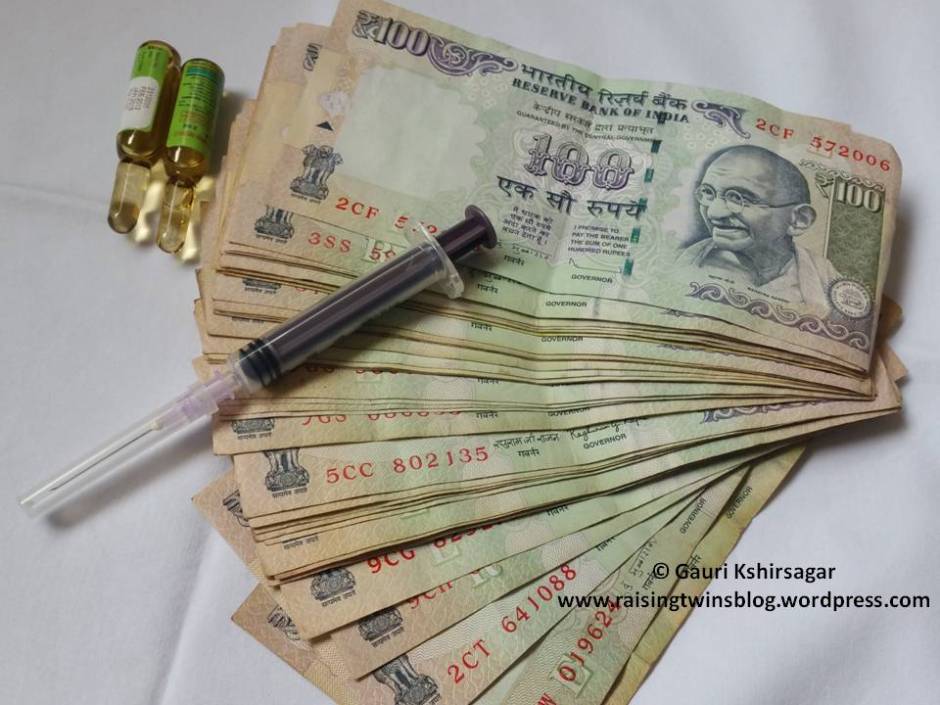
In India, there are number of vaccines given to a child since birth right upto the age of five years. and each vaccine has a different schedule and dosage. To complicate further every vaccine has multiple brand names which determines its market cost. There isn’t a proper site which lists out the cost according to the Immunization schedule. Continue reading “Detailed cost of vaccination/ Immunization in India (Birth to 10 years of age) – with pdf file download”

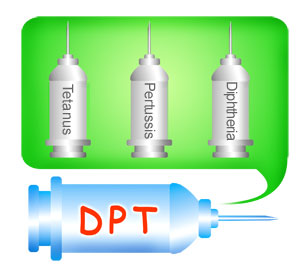
Painful versus painless vaccines – Article on different DPT combination vaccines

Protected by Copyscape

Author: Gauri Kshirsagar

DPT vaccines
DPT vaccines

*DISCLAIMER: Please note I have mentioned routinely used vaccine brands in INDIA as examples. Please do check the ingredients and discuss in detail with your paediatrician before making a decision. We DO NOT promote any brands. This article is only for information and discussion, NOT an advice column.

The combination of diphtheria, tetanus, and pertussis (DPT) vaccines into a single product has been central to the protection of the pediatric population over the past 50 years. The addition of inactivated polioHaemophilus influenzae, and hepatitis B vaccines into the combination has facilitated the introduction of these vaccines into recommended immunization schedules by reducing the number of injections required and has therefore increased immunization compliance. Continue reading “Painful versus painless vaccines – Article on different DPT combination vaccines”

IMPORTANT: Indian Immunization schedule recommended by Indian Academy of Pediatrics (with 2014 modifications)

Protected by Copyscape

Author: Gauri Kshirsagar

2014 recommendations by IAP

Immunization is the process of artificially inducing immunity or providing protection from disease. The World Health Organization (WHO) initiated the Expanded Program on Immunization (EPI) in May 1974 with the objective to vaccinate children throughout the world. Since EPI schedule contains only few vaccines, Indian Academy of Pediatrics (IAP) schedule also includes vaccines which can be given to prevent various other infections. This schedule is modified to every year, keeping in mind newer studies and better availability of vaccines. Hence It is advised to be informed about the recent schedule available. Continue reading “IMPORTANT: Indian Immunization schedule recommended by Indian Academy of Pediatrics (with 2014 modifications)”

Weaning & Feeding in Twin Babies : My personal expirience

Protected by Copyscape

Author: Gauri Kshirsagar

Baby Feeding
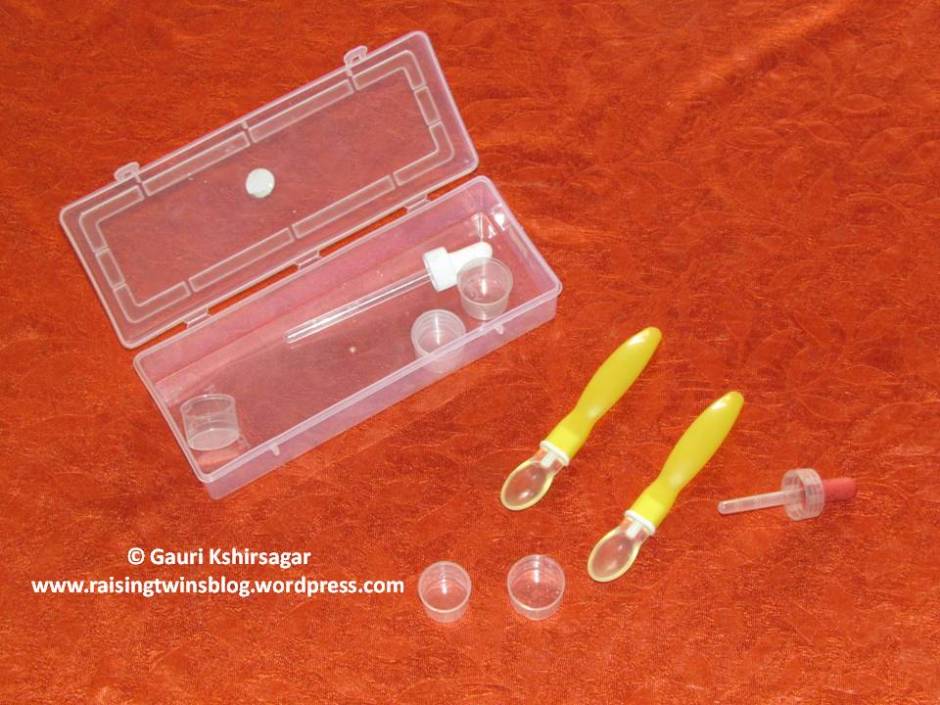
Silicon tip feeding spoons

Weaning is no doubt one of the major milestones in the growth of a baby, and hence it is natural for the mother to be apprehensive and anxious about it. Weaning in twins is no different than that of a single baby except the time and patience required is doubled. Weaning is a very slow process and requires a lot of patience. In this article I have focused on how you can manage the feeding of both the twins efficiently.
There are many sites which emphasize on finger foods and making a it a habit, so that the babies can have food on their own. But in my experience, weaning in twins and even for that matter feeding twins is a time consuming process, wherein each feed requires about an hour and hence more concentration should be given on the amount of food and nutrition a baby is really consuming. Continue reading “Weaning & Feeding in Twin Babies : My personal expirience”

Basic Hand washing: A very important step, which we tend to over look in baby care

Author: Gauri Kshirsagar

Hand washing 1A new baby is completely dependent on loved ones and they need lots of care and attention. You are responsible for their welfare and this means trying, as much as possible, to prevent your baby from acquiring infections. Hygiene and cleanliness are very important for a young baby. As babies can’t wash themselves, it is vital that you, as the parent, have good hygiene practices in place. These practices are important in terms of protecting against viral flu and other illnesses, but also to protect against the all too common gastro bugs which can make a young baby very ill and at risk of dehydration. One of the most effective ways of preventing infection and safe guarding your baby is good hand hygiene and basic hand-washing. Continue reading “Basic Hand washing: A very important step, which we tend to over look in baby care”

Simple Rice-Dal Khichdi for babies and toddlers (Weaning food)

Protected by Copyscape

Picture1
Rice-Dal Khichdi

Author: Gauri Kshirsagar

This is a very simple recipe to make and is one of my personal favorites. Simple because the same recipe can be made in different varieties to suit the child’s age. For e.g. to begin with I started simple rice water as the first weaning food for my twins. Later on I added a bit of seasoning, ghee, eggs, fish and so on. It is very easy for the baby to swallow and can be made thicker or thinner as per the need of the baby. Continue reading “Simple Rice-Dal Khichdi for babies and toddlers (Weaning food)”

CAKE RECIPE FOR KIDS: Yummy & healthy wheat-jaggery cake (without maida and sugar)

Protected by Copyscape

Author: Gauri Kshirsagar

Wheat Jaggery Cake (without maida or sugar)

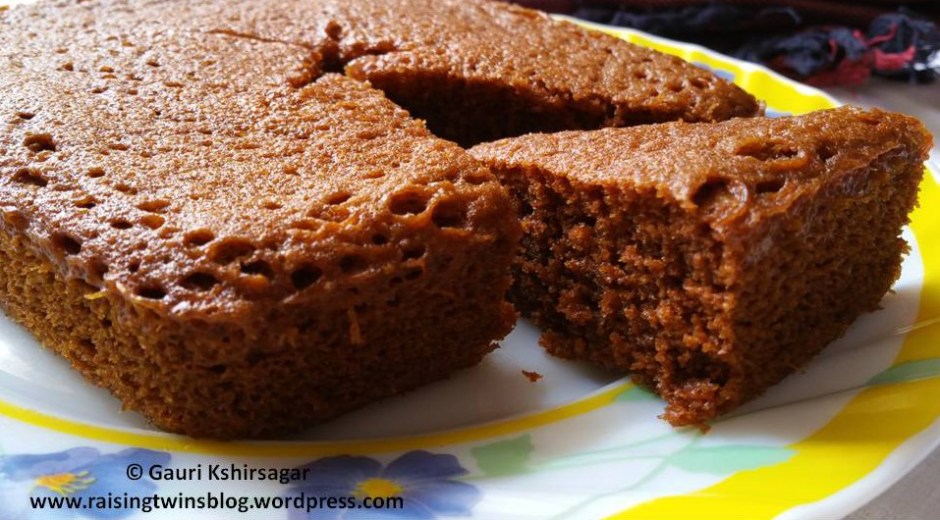
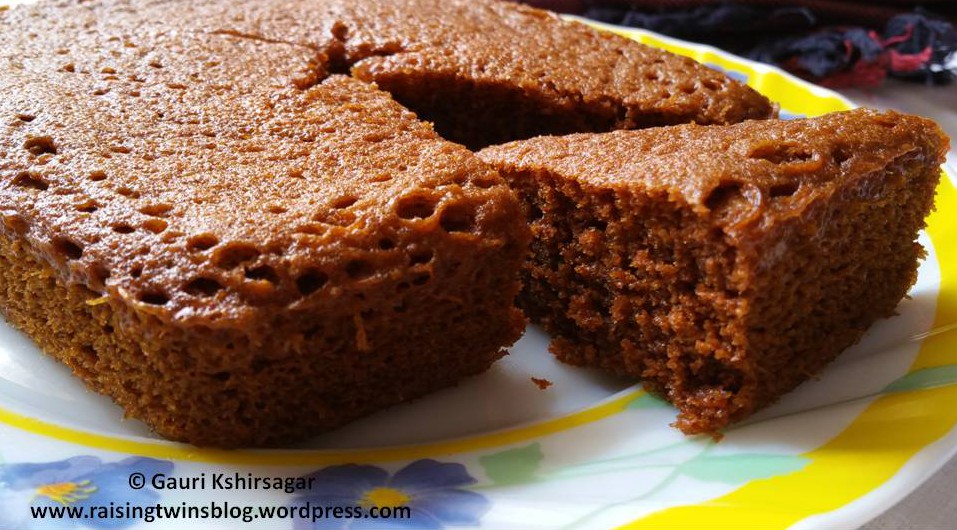
Kids love cake, no doubt about that, but cake also contains maida (refined flour) and sugar. Maida is the refined wheat flour minus all the nutrients normally present in wheat. Maida has 100% carbohydrate and contains almost no natural minerals and vitamins. Here is a recipe made from whole grain wheat and jaggery, which is not only yummy but very easy to make Continue reading “CAKE RECIPE FOR KIDS: Yummy & healthy wheat-jaggery cake (without maida and sugar)”

Recipe: Nutritious Ragi (Finger Millet) Porridge

Protected by Copyscape

Author: Gauri Kshirsagar

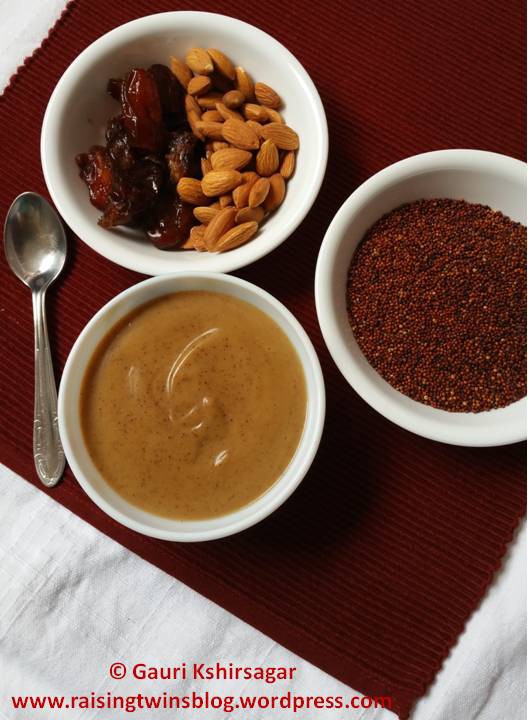
Slide1Finger millet (Eleusine coracana L.) also known as Ragi in India is one of the important cereals which occupies the highest area under cultivation among the small millets. The state of Karnataka is the largest producer of ragi in India. Ragi is a crop which can withstand severe drought conditions and hence is easily available throughout the year. In India paediatricians recommend ragi based food for babies because of its high nutrient content mainly, high calcium and iron which is useful for bone growth and overall development of the infant. Specially-processed ragi powders for infants are also available widely which can be used during weaning. Continue reading “Recipe: Nutritious Ragi (Finger Millet) Porridge”

Jaggery versus Sugar : Why is Jaggery better than Sugar in baby’s diet

Protected by Copyscape

Author: Gauri Kshirsagar

Slide2

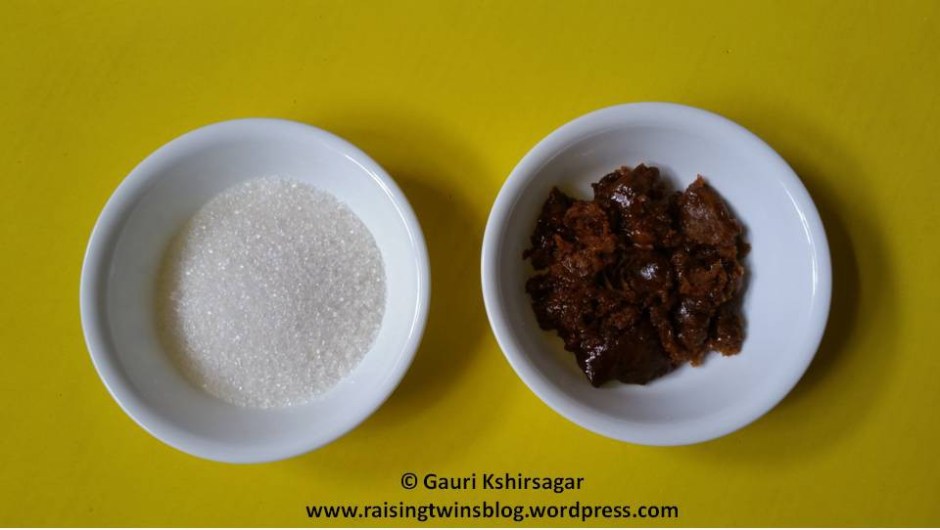
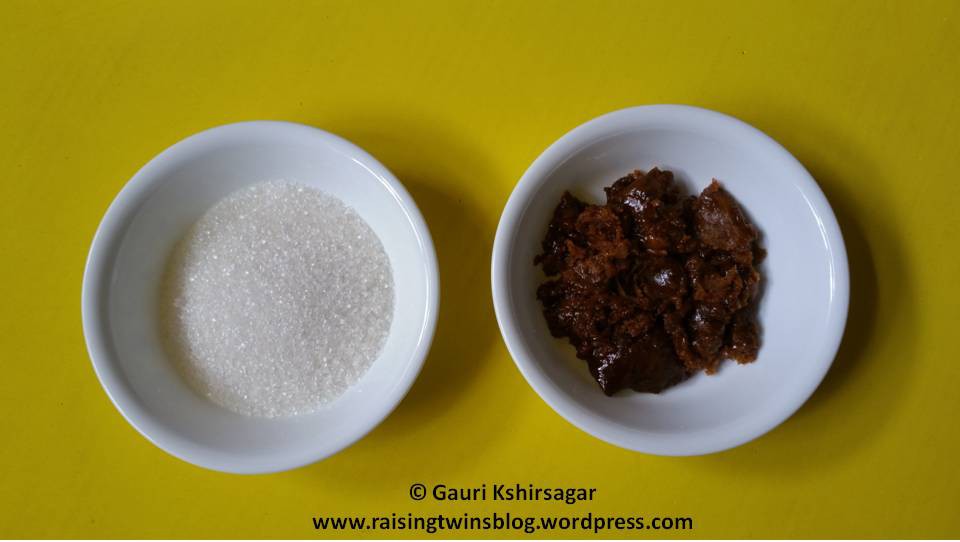
I have always preferred jaggery over sugar for various benefits jaggery provides in terms of nutrition. Although both jaggery and sugar are obtained from the same sources, they are much different in their properties and benefits. I totally avoided sugar in the twin’s diet for the first year with minimum amount thereafter and solely the used jaggery for the sweet flavours. Most paediatricians recommend not adding sugar to your child’s food in her first year of life. Continue reading “Jaggery versus Sugar : Why is Jaggery better than Sugar in baby’s diet”

Common FAQs about Weaning in babies.

Protected by Copyscape

Author: Gauri Kshirsagar

Weaning

What is Weaning?

Weaning is a process of introducing semi-liquid to semi-solid foods other than breast milk to a baby.

 When is the ideal time to start weaning?

WHO recommends starting complementary feeding, supplementary (in addition) to breast milk at 6 months of age (WHO recommends exclusive breast feeding until 6 months of age) Continue reading “Common FAQs about Weaning in babies.”